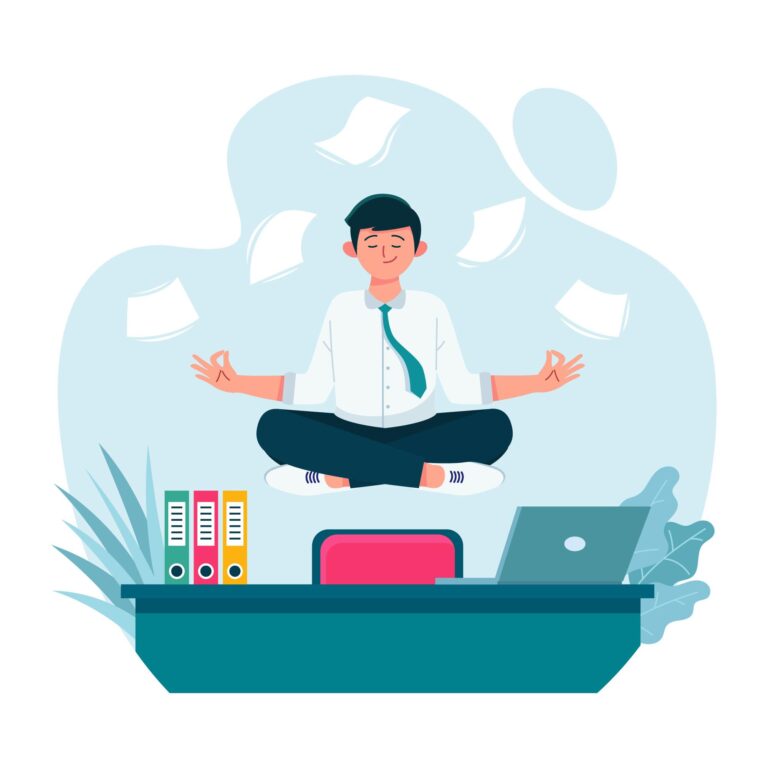

That frantic, wired feeling after a brutal workday? The heavy mental fog, the racing thoughts that won’t quit—you’re not broken. You’re burned out. Fortunately, Music for Stress Relief offers a powerful solution.
Yet, what if true relief was as simple as pressing play?
Music isn’t just background noise. Instead, it’s a science-backed sanctuary ,rewiring your nervous system, dissolving cortisol, and returning you to calm. Are deadlines, mental fatigue, or the daily grind overwhelming you? Ultimately, this guide offers the ultimate Music for Stress Relief tool: your personal soundtrack to peace.
Table of Contents
- How Music Reduces Stress
- Finding Your Zen: Top Music Genres for Deep Relaxation
- Crafting a Personalized Stress-Relief Playlist
- Integrating Music into Your Day: Practical Tips for Stress Management
- Beyond the Playlist: Holistic Approaches to Resilience
- FAQs (Frequently Asked Questions)
- Conclusion: Tune In, De-Stress, and Thrive
The Science of Sound: How Music Reduces Stress & Mental Fatigue

The instant calm from the perfect song isn’t just a feeling. It’s your biology hitting a reset button. Music for stress relief isn’t merely a pleasant escape. It’s a powerful, science-backed tool that profoundly impacts your brain and body, directly combating the exhaustion of non-stop pressure.
Here’s a breakdown of the fascinating internal shifts that happen when you press play:
- Neurological Soothe: When your mind races, caught in mental fatigue and overwhelm. Your brain’s ‘fear center’ (the amygdala) goes on high alert. Music for Stress Relief gently dials down these alarm signals. Simultaneously, it triggers a rush of feel-good chemicals like dopamine and serotonin. It also actively suppresses cortisol levels, your body’s primary stress hormone. This immediate neurological shift is key to reclaiming calm. It also strengthens your emotional regulation for effective stress management in demanding roles.
- Physiological Harmony: The effects cascade throughout your body. Research consistently shows that Music for Stress Relief can significantly lower your heart rate, often synchronizing it with the music’s slower rhythm. This activates your “rest-and-digest” nervous system, pulling you out of survival mode. Improved Heart Rate Variability a strong indicator of resilience is a proven benefit, even observed in high-stress jobs .
- Brainwave Retuning: Beyond conscious thought, Music for Stress Relief influences your brainwaves. Stress often locks us into fast, anxious beta waves.However, the right relaxing music can gently guide your brain into more peaceful alpha waves. Alpha waves are associated with relaxed alertness and focus. Music can even guide you into deep theta/delta waves, mirroring meditative states and promoting profound restoration. This shift is critical. It directly fights the mental exhaustion of constant stress. It literally helps retune your brain for clarity and inner peace.
In essence, music isn’t just masking stress; it’s actively reprogramming your biology for deep restoration. It transforms from a simple soundtrack into your personal toolkit for sustained well-being against the most intense pressures.
Finding Your Zen: Top Music Genres for Stress Relief & Deep Relaxation

Life often feels like a never-ending loop of tasks, texts, and tension. It’s easy to forget a simple stress relief tool is right at your fingertips: music for calm. Not just any music, though. The right kind of relaxing music can melt mental clutter and calm your nervous system. It can gently nudge your mind into a state of deep calm. Are you chasing better sleep, trying to improve focus, or simply need a moment to breathe? .these genres will help you create your personalized playlist for Music for Stress Relief.
Classical Music for Stress Relief :
The mathematical precision and structured harmony of classical compositions especially slower-paced ones from masters like Bach, Debussy, or Satie offer a profound pathway to calm. These calming music pieces act like a metronome for your nervous system, directly reducing cortisol levels and stabilizing heart rate, encouraging your body to relax and helping your mind find balance amidst chaos. You’ll feel as if you’re stepping into a quiet, candle-lit room where everything slows down, as gentle piano pieces or string quartets wrap your mind in subtle beauty, making it easier to let go of workplace pressure or anxious thoughts. To tap into this peace: Start your morning or wind down your evening with a curated “Peaceful Piano” or “Baroque for Relaxation” playlist perfect for gentle mornings or decompressing after the most stressful jobs.
Ambient Music :
Ambient music works like a warm background hum for your thoughts it’s designed to be immersive but non-distracting. With no sharp transitions or lyrical content, it creates a sonic environment that encourages mindfulness, profound relaxation, and deep inner stillness. Think of it as an audio fog that softens the edges of your stress, helping your brain shift from high-alert mode to soft presence, whether you’re meditating, reading, or just closing your eyes for five minutes. To integrate this into your day: Use ambient playlists during deep-focus work sessions or when decompressing before bed. Look for “Brainwave Ambient” or “Ambient Chill” playlists to reduce stimulation without creating silence.
Nature Sounds :
There’s a reason nature sounds like ocean waves, gentle rainfall, or forest ambience are often integrated into spa music they connect us to something primal and grounding. These sounds reduce the body’s stress response by engaging our parasympathetic nervous system, helping you feel transported to a serene forest or a beach at sunrise. Nature’s rhythm instinctively slows your breathing, lowers blood pressure, and creates a sense of safety and spaciousness. To experience this calm: Try combining nature sounds with soft music in your bedtime routine to encourage better sleep. Rainforest or waterfall audio loops are perfect for easing nighttime anxiety.
Instrumental Music :
Without lyrics to process, your brain is free to unwind. Instrumental music allows emotional expression without mental effort, helping you tune out the noise of the world while still feeling something deeply personal. Whether it’s a soulful guitar, cinematic strings, or chill lo-fi beats, instrumental tracks become a safe, open space for your thoughts to drift. This is particularly effective for those who tend to overthink or feel overstimulated. For a focused mental reset: Create a “Focus and Flow” playlist made up entirely of instrumental pieces to help you center yourself during work sprints or emotional resets.
Meditation & Yoga Music :
Designed specifically to deepen breath, encourage mindfulness, and synchronize brain and body rhythms, this genre guides you into a parasympathetic “rest and digest” mode. The use of consistent tones and spiritual scales in meditation music and yoga music is scientifically associated with reducing anxiety and releasing stored tension. You’ll feel as if your entire nervous system is exhaling, as this music gently guides your awareness inward and stabilizes wandering thoughts, whether you’re holding a yoga pose or just sitting with eyes closed. To find your inner stillness: Use 15-minute meditation/yoga music tracks as a built-in “mental reset” between meetings or after emotionally draining calls.
Binaural Beats :
Binaural beats are a fascinating auditory illusion where two slightly different sound frequencies played in each ear cause your brain to perceive a third, unified frequency. This unique effect can actively guide your brain into desired states like alpha (for relaxed alertness), theta (for meditative calm), or delta (for deep sleep music). You’ll often feel a subtle hum or vibration inside your head almost like a sonic massage which helps quiet inner chatter. These beats are exceptionally effective for stress regulation, improving focus, or winding down for better sleep. For optimal results: Listen with headphones (this is essential for the effect) while journaling, stretching, or before a nap. Choose a theta or alpha frequency range for deep calm.
Solfeggio Frequencies :
Rooted in ancient musical traditions, Solfeggio frequencies are thought by many to promote healing and balance on a cellular level. While the robust scientific evidence is still emerging, countless listeners report feeling profoundly grounded, uplifted, or emotionally cleared. Different frequencies, like 528 Hz (often associated with love and transformation) or 396 Hz (for releasing fear), resonate in the body as subtle vibrations, leading to a deep sense of peace ideal for letting go of tension and anxiety stored within. To explore their potential: Explore one Solfeggio frequency at a time for 5–10 minutes and journal how you feel afterward. It’s a great way to turn your stress management into a gentle, intuitive ritual.
Lo-fi Beats :
Lo-fi music blends soft hip-hop instrumentals with ambient crackles and calming tones, offering both familiarity and comfort without lyrics. This makes it perfect for relaxed focus and gentle mood support, particularly amidst workplace stress. You’ll feel casually chill like you’re working in a cozy café during a rainy day. Lo-fi helps lower pressure without putting you to sleep, making it ideal for light work or easing through emotionally taxing tasks. To integrate this into your routine: Turn on a 24/7 lo-fi stream or playlist during low-energy workdays to stay productive without overloading your brain.
Acoustic Music :
There’s something inherently grounding about the raw, real sound of an acoustic guitar or piano. It offers emotional resonance without overwhelming intensity, often evoking feelings of safety and nostalgia. You’ll feel gently held by the sound like a musical hug. This genre is especially helpful when you’re emotionally drained or simply craving something warm and human after a long day of work pressure. For a soulful unwind: Build a playlist of soft acoustic music with calming vocals (or instrumental if you prefer) and use it as a transition tool when ending your workday or prepping dinner.
Spa Music :
Spa music is meticulously crafted to soothe from its slowed tempo to the soft tones that often mimic nature and ambient textures. It’s designed to signal to your body that it’s safe to release, soften, and let go of built-up stress. Imagine walking into a luxury spa your shoulders drop, your breath deepens. This soothing music taps into that physical memory and guides your body into a deep state of relaxation. To create your own mini-retreat: Use spa music while taking a warm bath, stretching in the morning, or diffusing essential oils, transforming even a busy day into moments of profound calm.
Finding your perfect music for calm isn’t about rigid rules it’s about tuning into what your body and brain need in the moment. Whether you’re seeking relaxing music for stress management, calming music for better sleep, or just a soundtrack to soften the edges of a hard day, there’s a genre here waiting to support you. Test, explore, and let your inner rhythm guide you back to balance.
Crafting a Personalized Stress-Relief Playlist

There’s something magical about hitting play on a song that just gets you. When it comes to managing stress, that emotional connection is more than just comfort it’s powerful medicine. Instead of relying on generic background noise, building a personalized stress-relief playlist can help you tune into your emotional needs and gently guide your mind and body back to calm.
Here’s how to create a playlist that truly resonates with you, your moods, your preferences, and your path to peace.
1. Start with Self-Awareness: What Do You Need Right Now?
Every day brings a different version of you. Some days, you might need relaxing music to help you unwind after a long shift. Other times, it’s about finding soft but steady beats to improve focus while working or studying.
Ask yourself:
- Am I feeling overwhelmed or anxious?
- Am I tired and trying to fall asleep?
- Do I need gentle energy to stay present and focused?
Let your mood and goal guide your selection. A stress-relief playlist should feel like a friend that knows what you need before you even say it.
2. Consider the Building Blocks: Tempo, Instruments & Vocals
The tempo of your music plays a big role in how your body responds. Slower tempos tend to sync naturally with a relaxed heart rate, helping you calm down and breathe easier. This is ideal for
- soothing music before bed or during meditation.
- Piano, strings, or acoustic guitar can offer warmth and emotional release.
- Ambient and electronic textures help with focus and quiet mental chatter.
- Nature sounds or spa music evoke calm through gentle environmental cues.
Lyrical vs. Instrumental?
Lyrics can be comforting or distracting. If your thoughts are racing or you’re trying to improve focus, go for instrumental music. If you’re processing emotions or need to feel “seen,” well-placed lyrics might be exactly what helps.
3. Curate with Intention: Tailored Playlists for Every Mood
Instead of one giant playlist, create stress-relief playlists that reflect different emotional needs. Think of them as emotional first-aid kits:
- Focus Mode: Choose ambient music, lo-fi beats, or soft instrumentals with a steady rhythm. These are great when you’re overwhelmed but still need to get things done.
- Unwind After Stress: Go for acoustic music, classical compositions, or yoga music. These styles help ease tension in both body and mind.
- Better Sleep Playlist: Use spa music, binaural beats, or nature sounds with minimal melody and no vocals. Make sure it flows gently, without jarring transitions.
Pro Tip: Arrange songs intentionally. Begin with slightly more “awake” tracks and gradually slow things down. This helps your nervous system shift gears more naturally.
4. Don’t Overthink It—Let Emotion Lead
The most effective personalized playlist isn’t built on music theory—it’s built on feeling. Trust your emotional response to each track. If a song makes you feel soft, safe, or centered, it deserves a place on your playlist.
You don’t need perfection. You need resonance.
5. Refresh Often, Evolve Always
Your stress, routines, and emotional landscape are constantly evolving so your playlists should, too. Revisit and tweak them every few weeks. You might find that a certain genre like Solfeggio frequencies or meditation music starts to work better as your nervous system gets used to the sounds.
Final Takeaway
Music isn’t a one-size-fits-all remedy it’s a deeply personal language. By crafting a stress-relief playlist that aligns with your moods and intentions, you give yourself a gentle tool for emotional regulation, stress management, and real music for calm. Whether it’s winding down with relaxing music or fueling your focus with subtle beats, your custom soundtrack can help you navigate the chaos and reclaim your peace.
Integrating Music into Your Day: Practical Tips for Stress Management

Start Your Day with Intentional Calm Through Music for Stress Relief
Imagine rolling out of bed to the gentle swell of your favorite calming musicno alarms blaring, just a soft piano or ambient track that nudges you awake with intention. Starting your day this way sets a tone of mindful awareness: as you sip your coffee or stretch out on your yoga mat, those soothing melodies become your morning mantra, priming you for stress management before the world’s demands even surface.
Transform Your Commute with Music for Stress Relief
On the commute whether you’re stuck in traffic or squeezing into a packed train swap the newsfeed anxiety for a curated Music for Stress Relief playlist. Let nature sounds or mellow acoustic tracks transform this daily ritual into a peaceful transition. As you plug in your headphones, you’re not just passing time; you’re creating a buffer against workplace stress and entering your office or home office with a clear, centered mind.
Boost Focus & Melt Mental Clutter Midday with Music for Stress Relief
When mid-morning distractions threaten to derail your flow, lean on instrumental or lo-fi beats to improve focus. Keep a “Focus Mode” playlist on standby, filled with steady tempos and minimal lyrics. When emails pile up or a project deadline looms, hit play and feel that mental clutter melt away your soundtrack becomes a gentle reminder that you control your attention, not the chaos around you.
Recharge with Micro-Break Resets for Stress Relief
Even two minutes of music can turn a micro-break into a mini reset. Pause at your desk, close your eyes, and let a favorite calming track wash over you. Those brief interludes not only help you unwind, they also recharge your brain’s ability to problem-solve and stay creative. Over time, these tiny rituals add up to serious stress management gains.
Decompress After a High-Stress Job with Music for Stress Relief
After you clock out of your high stress job, resist the urge to collapse into the couch in silence. Instead, create a Music for Stress Relief decompression playlist a mix of spa music, soft jazz, or Solfeggio frequencies that signals the end of work-mode. As you cook dinner or take an evening walk, this musical ritual helps you exhale the tension of career burnout, reminding you that your well-being matters just as much as your to‑do list.
Wind Down for Better Sleep
When bedtime rolls around, a deliberate wind‑down ritual can make all the difference in achieving better sleep. Swap bright screens for gentle binaural beats or nature‑infused music for calm, and let the steady rhythms guide your breathing. Over time, your brain will link these sounds with rest, making it easier to drift off and stay asleep through the night.
Infuse Mindfulness into Daily Routine
Finally, sprinkle moments of music-driven mindfulness into your daily routine. Whether you’re folding laundry, watering plants, or waiting for your tea to steep, play a soft ambient track and fully inhabit the present. These tiny, music‑infused pauses remind you to breathe, observe, and savor the calm even in the busiest of days.
Beyond the Playlist: Holistic Approaches to Music for Stress Relief & Resilience

Building true resilience goes far beyond simply pressing play on your favorite tracks It’s about weaving Music for Stress Relief into a broader holistic approach that nurtures mind, body, and community. When paired with complementary practices, your stress-reducing soundtrack becomes the glue that binds everything together, helping you recover from burnout and cultivate lasting workplace resilience.
1. Mindfulness & Meditation for Stress Relief
Mindfulness & Meditation come alive when you let gentle meditation music or soft ambient tracks guide your focus inward. Instead of wrestling with stray thoughts, these carefully chosen soundscapes help anchor your attention on the breath or a simple mantra. As you sink deeper into presence, you’ll notice how much more restorative those few minutes of silent awareness can become when accompanied by melodic reminders to return to the moment.
2. Physical Activity & Movement
Pairing physical activity & movement with an energizing yet nourishing playlist turns any workout or stretch break into a dynamic form of stress relief. Whether it’s a brisk walk set to uplifting acoustic rhythms or yoga flows bathed in spa music, the right tempo and tone can drive you through each move while keeping your mind clear. This blend of motion and melody not only boosts endorphins but also feeds your mental toughness, reinforcing job resilience one beat at a time.
3. Healthy Sleep Habits
Healthy sleep habits are the bedrock of overall well-being, and no nighttime routine feels complete without the soft embrace of soothing music. As you dim the lights, let a lullaby of nature sounds or mellow Solfeggio frequencies guide you into deeper, more restorative slumber. Over time, this nightly ritual trains your brain to associate those comforting harmonies with better sleep, making it easier to drift off and wake refreshed crucial for managing chronic stress.
4. Nutritious Eating
Don’t underestimate the role of nutritious eating in your resilience toolkit. Just as whole foods nourish your cells, pairing mealtime with light instrumental or acoustic music can turn a rushed snack into a mindful ritual. Savor each bite while gentle background melodies slow you down, allowing your body to digest both food and calm, enhancing your ability to handle pressure throughout the day.
5. Social Connection
Finally, social connection gains new depth when shared through music. Hosting a casual listening session, swapping favorite stress-relief playlists with colleagues, or even enjoying a live-streamed concert together can spark conversation, laughter, and mutual support. These shared experiences foster a sense of belonging that amplifies the mood-lifting power of music and reinforces the social safety net you need to bounce back stronger from career burnout.
By integrating music into these five pillars mindfulness, movement, sleep, nutrition, and connection you’ll create a multi-layered strategy for stress management that resonates well beyond your headphones. This is how you turn simple relaxing music into a catalyst for genuine, lasting resilience.
FAQs (Frequently Asked Questions)

1. How long should I listen to music for stress management each day?
Even 10–15 minutes of soothing music whether it’s classical music, ambient music, or nature sounds can help reset your nervous system and combat mental fatigue. For best results, sprinkle short sessions into your routine (mid-morning break, commute, or before bed) and combine with your personalized playlist for consistent stress management.
2. Can listening to binaural beats really improve focus and calm?
Yes binaural beats work by playing two slightly different frequencies in each ear, prompting your brain to sync up to a desired state (alpha for calm, beta for focus). When used properly with headphones for 15–30 minutes, they can help you improve focus during high-pressure work tasks and quickly unwind afterward.
3. Is it better to choose instrumental music over songs with lyrics when I’m stressed?
If you’re dealing with workplace stress or a high stress job, instrumental tracks (piano, guitar, lo-fi beats) minimize cognitive load, allowing your mind to drift into a calm state without processing words. However, if you need an emotional uplift or find lyrics comforting, a few well-chosen vocal tracks can enhance your mood ,just keep the balance aligned with your current need.
4. How soon will I feel the effects of music for calm?
Most people notice subtle shifts slower breathing, softer thoughts—within the first 5 minutes of relaxing music. Deeper shifts in mood and stress hormones often occur after consistent daily practice. Think of it like exercise for your mind: the more regularly you listen, the faster and more pronounced the benefits.
5. How do I build a personalized playlist that actually works for me?
Start by mixing genres that match your goals: nature sounds for winding down, classical music for emotional balance, and ambient music or binaural beats for focus. Pay attention to which tracks calm your heartbeat or sharpen your mind, then group them into themed playlists “Focus Mode,” “Deep Unwind,” or “Better Sleep” so you have go-to mixes for every moment.
6. Can music really help with better sleep and recovery from burnout?
Absolutely. Gentle spa music, Solfeggio frequencies, or soft nature sounds cue your brain to shift into rest mode. Playing these tracks as part of your bedtime wind‑down promotes better sleep, which is foundational to recovering from burnout and maintaining long-term resilience.
7. I’m not musically trained—how do I know if a track is right for stress relief?
Trust your body’s response more than any music label. Notice if your shoulders drop, your breath slows, or your mind feels less cluttered when a song plays. That’s your signal that the track belongs in your music for calm toolkit. Over time, you’ll instinctively curate a collection that speaks directly to your unique stress-management needs.
Conclusion: Tune In, De‑Stress, and Thrive

his guide has illuminated music’s remarkable power: a science-backed ally for stress management that builds resilience, combats mental fatigue, and helps you recover from burnout. From curating your personalized playlist to integrating calming melodies into your daily routine, you now have a practical roadmap for overall well-being.
Don’t wait to reclaim calm. Hit play, experiment, and let simple moments of musical calm transform your days. For more ways to strengthen your workplace resilience or optimize your better sleep routine, explore our other guides on StressProofPro: